How to Spot Roofing Storm Chasers: Warning Signs to Watch
Last Updated: November 24, 2026
Quick Summary
Storm chasers are roofers who show up right after hail or wind hits, chasing insurance claim money with fast sales rather than lasting local reputations. Red flags include unsolicited door knocks within a day or two of a storm, offers to waive your deductible, and pressure to sign a contract or insurance check on the spot.
- Unsolicited door knocks offering a free inspection within days of a storm are a major red flag.
- Waiving or eating your deductible is insurance fraud and can jeopardize your claim.
- Photograph visible damage from the ground and file the claim with your insurer yourself.
- Get a written estimate and contract, and never pay a large deposit before materials arrive.
- Confirm a physical Oklahoma City address, local phone number, and proof of insurance before signing.
Table of Contents
- How to Spot Roofing Storm Chasers After a Storm
- Roofing Storm Chaser Warning Signs to Watch For
- How to Verify a Roofing Contractor in Oklahoma City and Questions to Ask After Hail Damage
- Frequently Asked Questions
How to Spot Roofing Storm Chasers After a Storm
Storm chasers are roofers who show up right after hail or wind hits, chasing insurance claim money. Their goal is a fast sale, not a lasting reputation in your neighborhood.
The big red flags usually show up in the first few days:
- Unsolicited knocks within a day or two of a storm offering a “free inspection”
- Offers to waive or “eat” your deductible
- Pressure to sign a contingency agreement or sign over your insurance check on the spot
- A large deposit or full payment before any materials arrive
Waiving your deductible is insurance fraud and can blow up your claim later.
What to do right after a storm:
- Photograph visible damage from the ground.
- File the claim yourself with your insurer.
- Inspect the roof or ask a local roofer you already know.
- Wait on contractors who come to you. Legitimate local roofers are usually busy with their own customers and referrals, so they rarely need to knock doors.
If you want to check for hidden damage, our guide on can hidden roof damage after a storm be found walks through what to look for.
Roofing Storm Chaser Warning Signs to Watch For
A homeowner in a doorway speaks with a man holding a clipboard in a suburban driveway lined with hail-dented gutters.
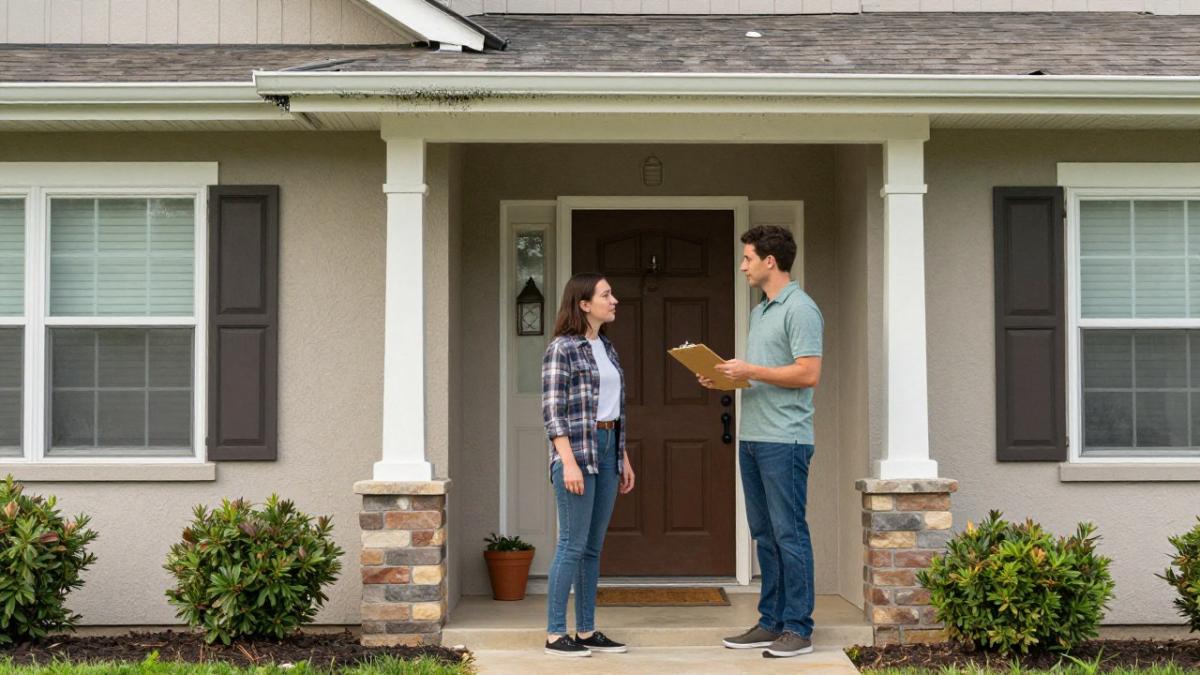
Storm chasers follow a predictable script built on urgency and paperwork you don’t read closely. Our guide on what roof damage insurance adjusters commonly miss explains the details that often get overlooked. Watch for pressure to decide today, cash or check before work starts, no written estimate, a contract that signs over your insurance payout, and vague company names with no local address or phone number.
At Thompson’s Exteriors, we put the scope, price, payment schedule, and warranty in writing and give you time to review them. Hail damage claims depend on your deductible, roof age, and documentation, so a rushed signature can cost you more than it saves.
How to Verify a Roofing Contractor in Oklahoma City and Questions to Ask After Hail Damage
Before you sign anything, confirm the contractor has a physical Oklahoma City address, a local phone number, and proof of insurance. Ask for references and read recent online reviews.
Questions worth asking:
- What is your Oklahoma contractor license number?
- Can I see proof of general liability and workers’ compensation insurance?
- Will you provide a written estimate and contract?
- Who handles my insurance claim communication?
- What warranty do you offer on workmanship?
Compare at least a few written estimates before you choose. For help with scope and paperwork, Thompson’s Exteriors provides post-storm inspection and damage documentation for roofing, siding, gutters, and exterior surfaces in Oklahoma City.
Storm chasers vs. legitimate local contractors:
| Factor | Storm Chaser | Legitimate Local Contractor |
|---|---|---|
| First contact | Unsolicited door knock | Responds to your call |
| Deposit | Large, due upfront | Modest, tied to a written schedule |
| Deductible | Offers to waive it | Explains your deductible honestly |
| Contract | Pressure to sign today | Written scope, time to review |
| Local presence | Vague address or none | Verifiable local address |
Always get your own insurance claim adjuster involved, and check your policy and file promptly since rules and deadlines vary.
Frequently Asked Questions
What are the warning signs of a roofing storm chaser?
The most common signs are unsolicited door knocks within a day or two of a storm, a ‘free inspection’ offer, out-of-state license plates or a phone number with no local address, and pressure to sign on the spot. Storm chasers often promise to waive or cover your deductible, which is insurance fraud and can jeopardize your claim. They may also ask for a large deposit or full payment before materials arrive. Legitimate local roofers are usually busy with their own customers and referrals, so they rarely need to knock on doors after a storm.
Should I sign a roofing contract with someone who knocks on my door after a storm?
No, not on the spot. Take time to review any roofing contract, and avoid agreements that include a contingency clause or ask you to sign over your insurance check. Before signing, verify the company’s business address, license, and proof of insurance, and get a written estimate and scope of work. Use the roofing contract checklist to confirm payment terms, deposit amounts, cancellation terms, and workmanship warranty details. A reputable contractor will not pressure you to decide immediately.
What should I do if I already signed a contract with a storm chaser?
Review the contract for cancellation terms, and act quickly if you are still within the cancellation window. Do not pay a large deposit or sign over your insurance check. Notify your insurance company and let them know who is handling the repair. Document the damage with dated photos, and get a written estimate from a verified local contractor for comparison. If you suspect fraud, report the company to your state attorney general’s office and the Better Business Bureau.
